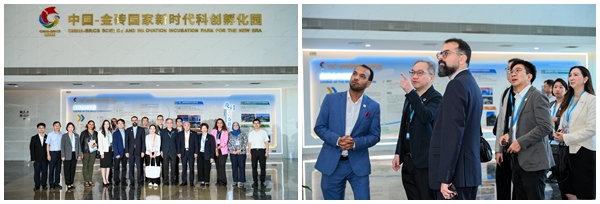
Xiamen, China, 27–29 May 2026 – The National Science and Technology Development Agency (NSTDA), led by Prof. Sukit Limpijumnong, President of NSTDA, reinforced Thailand’s role in international science, technology, and innovation cooperation through its participation in activities held at the China-BRICS Science and Innovation Incubation Park for the New Era (China-BRICS SIIP) in Xiamen, Fujian Province, People’s Republic of China.
During the visit, NSTDA signed a Memorandum of Understanding (MoU) with Tan Kah Kee High Technology Research Institute, the operating entity of China-BRICS SIIP, and joined the BRICS Science and Innovation Collaboration Network. The partnership reflects Thailand’s commitment to transforming advanced research into tangible economic value and reinforces NSTDA’s role as the country’s “Research Engine” by linking its research infrastructure, expertise, and innovation capabilities with the BRICS innovation ecosystem.
As part of this collaboration, NSTDA proposed a cross-border incubation mechanism under the concept of an “ASEAN Gateway.” Under this approach, Thailand Science Park is positioned as a sandbox for investment, technology transfer, and innovation partnerships from BRICS countries, while also creating opportunities for Thai deep-tech startups to expand into international markets, access funding, and connect with strategic partners through the China-BRICS SIIP platform.
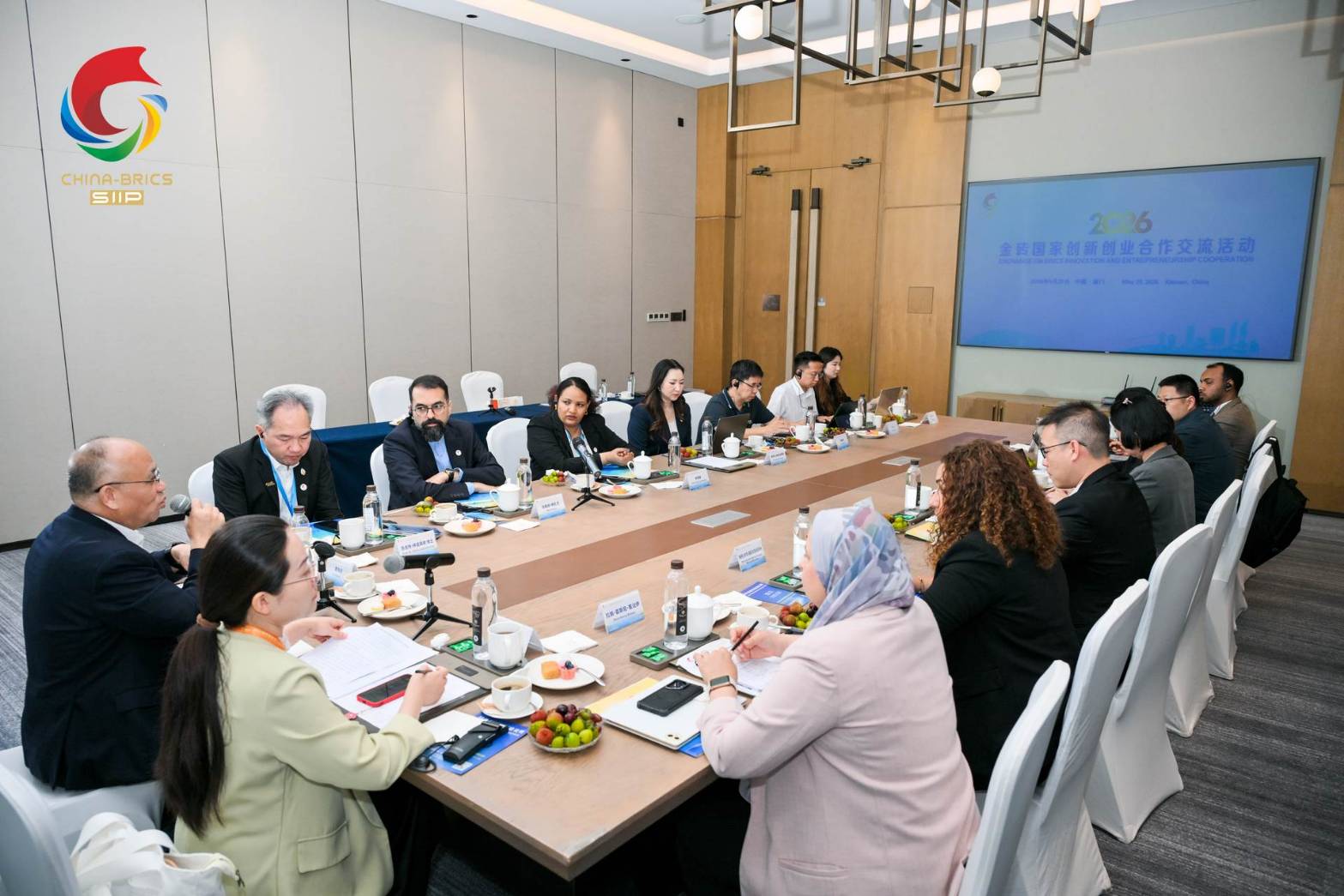
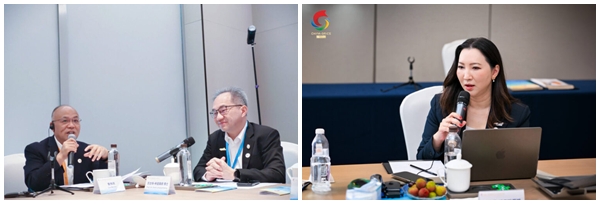
NSTDA also participated in a thematic discussion on integrating technological and industrial innovation to support cross-border incubation among BRICS countries. The discussion emphasized the importance of policy coordination, trusted cooperation mechanisms, and stronger linkages among research, industry, talent, and investment across borders. NSTDA highlighted the role of science diplomacy in building trust, sharing knowledge, addressing common challenges, and promoting sustainable growth through science, technology, and innovation.
To advance effective collaboration, NSTDA outlined three key priorities. The first is policy coordination and trusted cooperation mechanisms to support international collaboration, including joint working groups, designated focal points, strategic dialogue, and practical frameworks for intellectual property, technology transfer, and regulatory facilitation. The second is stronger research–industry linkages through joint research and development, researcher and expert exchanges, shared infrastructure, and collaboration in strategic areas such as artificial intelligence, biotechnology, clean energy, advanced materials, and digital technologies. The third is talent and startup mobility through co-incubation, talent exchange, innovation challenges, pitching platforms, and market-access opportunities across BRICS countries.
NSTDA also reaffirmed its readiness to support international collaboration through Thailand’s key science and innovation platforms, including Thailand Science Park, the Industrial Technology Assistance Program (ITAP), and the LANTA Supercomputer, particularly in areas such as biotechnology, sustainable agriculture, food security, health, and data-driven research. These platforms are expected to play an important role in translating research into innovation, strengthening industrial competitiveness, and creating opportunities for joint development with BRICS partners.
The announcement and discussions took place alongside the 2026 China-BRICS SIIP Achievement Exhibition & the 2025 BRICS Cross-border Accelerator Program, which brought together senior representatives from China, BRICS member countries, and partner nations to promote multilateral cooperation in innovation, technology transfer, and cross-border investment.
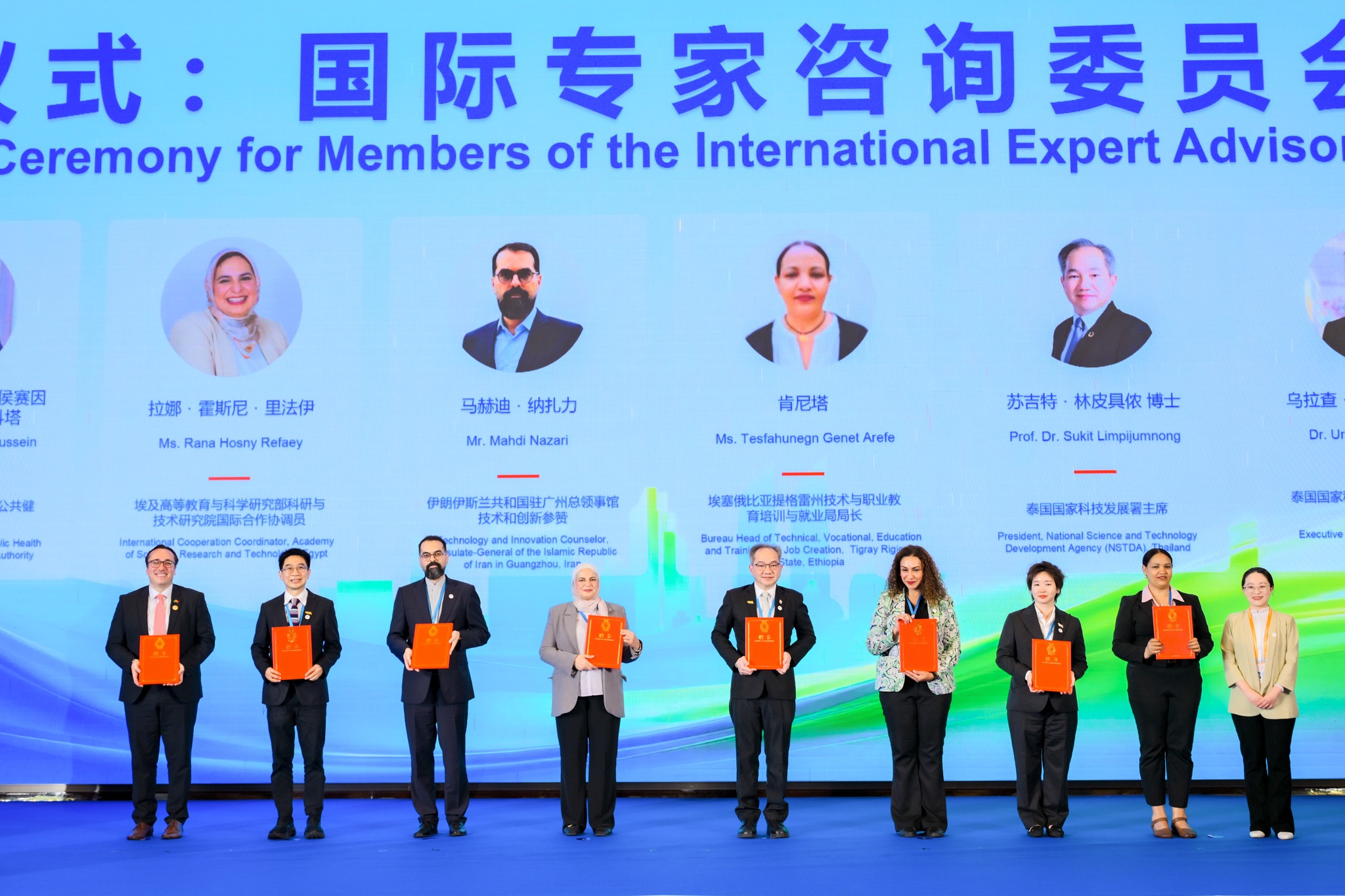
In addition, Prof. Sukit Limpijumnong, President of NSTDA, Dr. Uracha Ruktanonchai, Executive Director of NANOTEC, and Dr. Wasan Pattara-Atikom, Vice President, NSTDA Core Business, were appointed to the International Expert Advisory Committee of China-BRICS SIIP. Their appointments further reflect NSTDA’s expanding role in shaping international cooperation in science, technology, and innovation.
NSTDA’s participation in these activities demonstrates its commitment to building practical international partnerships, advancing innovation-driven growth, and creating new opportunities for Thai researchers, startups, and deep-tech enterprises in BRICS countries, ASEAN, and the broader Global South.