The National Science and Technology Development Agency (NSTDA), through the National Electronics and Computer Technology Center (NECTEC), has introduced an automated low blood volume anemia screening system designed to support large-scale screening of Thai children, particularly in schools and primary healthcare units.
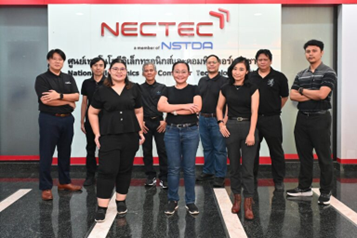
The National Science and Technology Development Agency (NSTDA), through the National Electronics and Computer Technology Center (NECTEC), has introduced an automated low blood volume anemia screening system designed to support large-scale screening of Thai children, particularly in schools and primary healthcare units. The system addresses longstanding challenges of current methods, which require relatively large blood volumes and high-speed centrifuges, making routine and field-based screening difficult and uncomfortable for young children.
Developed with support from the Health Systems Research Institute (HSRI), the innovation integrates three main components: a microfluidic blood collection card requiring only around 5 microliters of blood, a compact sample preparation device, and an automatic hematocrit reader. The card enables quick, fingertip blood collection with minimal pain and includes a QR code for secure sample identification, while the preparation and analysis units are designed to be small, safe and suitable for deployment with mobile and community health services. The system can also be linked to digital platforms for data recording and population-level monitoring.
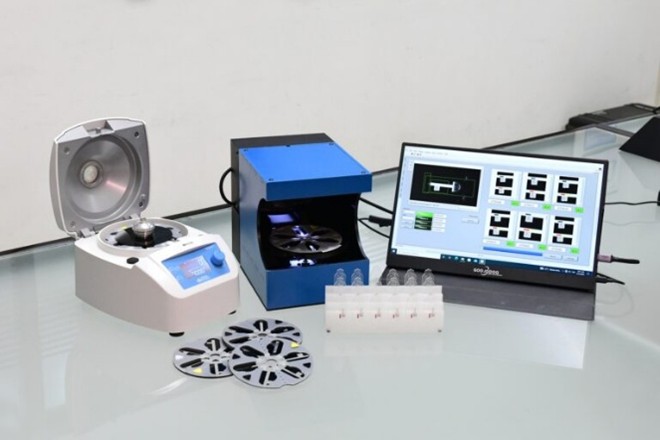
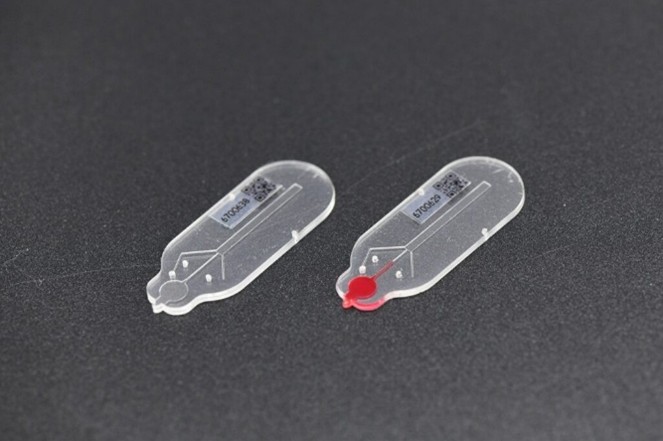
Validation studies conducted with academic partners have shown that the new system delivers hematocrit results with accuracy comparable to standard laboratory methods. The technology is currently at laboratory prototype stage, and NSTDA is preparing for technology transfer to industrial partners, followed by regulatory testing and Thai FDA registration as a locally produced medical device. Because key components can be manufactured domestically, the system is expected to enhance Thailand’s self-reliance in high-value medical devices and reduce dependence on imports.
In terms of impact, the system will make it easier to introduce routine anemia screening for school-aged children on a wide scale, including in remote and resource-limited areas. Earlier detection and treatment of anemia can help prevent fatigue, developmental delays and learning difficulties, thereby supporting children’s cognitive development and educational outcomes. At the same time, automated processing and digital data capture can reduce errors from manual handling, ease the workload of frontline health workers and generate reliable datasets for planning and evaluation of public health policies. By advancing this innovation, NSTDA aims not only to improve child health and quality of life, but also to strengthen the linkage between research, industry and frontline health systems in building a sustainable Thai medical device innovation ecosystem.