
Every April, Thailand faces its most critical period of extreme heat, driving electricity consumption to annual peaks as homes, commercial buildings, and factories rely heavily on air‑conditioning.
This seasonal surge places serious pressure on the national energy system and raises operating costs across all sectors. The ongoing situation highlights an urgent need for advanced, scalable technologies that can effectively reduce energy use, improve cooling efficiency, and enhance the performance of clean energy systems.
To address these nationwide challenges, the National Science and Technology Development Agency (NSTDA), through the National Nanotechnology Center (NANOTEC), is advancing a suite of high‑impact innovations designed for commercialization and deployment by industry. These include heat‑reflective exterior paints and coatings, an anti‑dust nano coating for solar panels, and next‑generation Perovskite solar cells—all developed to support energy resilience and strengthen Thailand’s clean‑energy capacity.
NANOTEC’s heat‑reflective exterior paints and coatings utilize nanotechnology to deliver high solar reflectance and enhanced thermal dissipation. Field data shows that these coatings can reduce building surface temperatures by 3–4°C, lowering air‑conditioning energy consumption by up to 15%. This provides a clear financial advantage for commercial and industrial facilities operating in high‑temperature environments. The technology is compatible with existing paint manufacturing processes, creating an attractive opportunity for coating producers and construction‑material companies seeking to expand into premium energy‑efficient product lines.
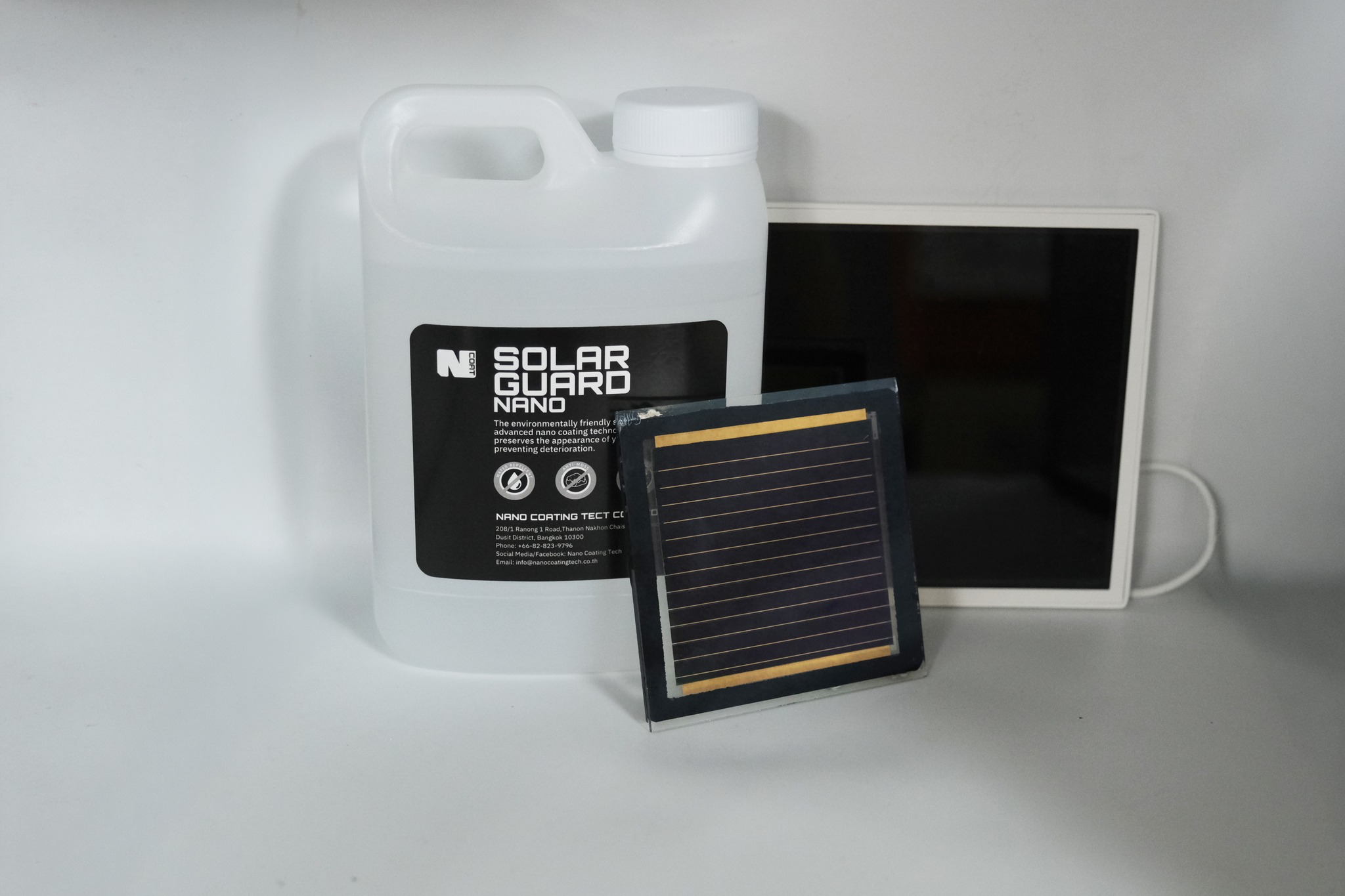
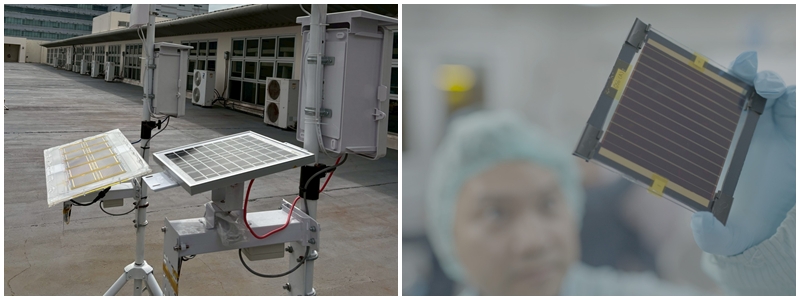 To further support clean energy efficiency, NANOTEC has developed an anti‑dust nano coating for solar panels that significantly reduces dust accumulation and environmental contamination. This solution improves solar power generation efficiency by 3% to 30%, with an average increase of about 5% under typical conditions. When applied across an estimated 2.5 GW of Thailand’s solar capacity by 2030, the technology could deliver an additional 197.1 GWh of clean electricity annually, generating 700–800 million THB in economic value while reducing carbon emissions by approximately 90,000 tons per year. These benefits present strong commercial potential for coating manufacturers and solar‑industry partners looking to offer enhanced performance solutions for utility‑scale and rooftop solar installations.
In parallel, NANOTEC is advancing Perovskite solar cell technology, a lightweight, semi‑transparent thin‑film solution suitable for flexible electronics, smart IoT devices, building‑integrated photovoltaics, and portable low‑power energy systems. Its adaptability and efficiency make it ideal for companies seeking to integrate renewable energy into next‑generation devices and materials. This technology offers manufacturers and electronics developers a pathway to differentiate their products with high‑value clean‑energy functions.
Together, these innovations demonstrate NANOTEC–NSTDA’s commitment to delivering practical solutions that reduce energy costs, increase clean‑energy performance, and enhance national energy security. Industry partners in coatings, construction materials, solar technology, and advanced electronics are invited to collaborate and license these technologies to accelerate Thailand’s clean‑energy transition, strengthen market competitiveness, and contribute to the country’s Net Zero goals.