
Thailand’s manufacturing sector is advancing towards a more competitive and sustainable future through a practical digital transformation initiative designed to help industry turn technology adoption into measurable business results.
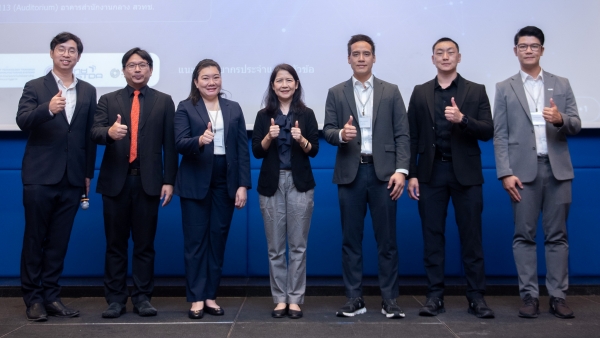
Implemented by NSTDA through the Sustainable Manufacturing Center (SMC), the pilot “DX Strategy” Workshop brings together 61 industrial companies to strengthen their ability to plan and implement digital transformation in ways that align with real operational needs. The programme focuses on helping participating companies identify production and management challenges, evaluate suitable technology options, and develop their own Digital Transformation Roadmaps based on business priorities, investment requirements, and expected returns.
Rather than viewing digital transformation solely as the adoption of advanced technologies, the initiative promotes a more comprehensive approach that integrates four key dimensions of industrial change: organisational and management systems, smart operations, IT and data infrastructure, and workforce capability development. Technologies such as IoT, automation, and artificial intelligence are therefore considered alongside organisational readiness and human capacity to ensure that digital investments generate tangible value.
A central feature of the programme is its emphasis on informed investment decision-making. Participating companies are encouraged to assess return on investment (ROI) and prioritise solutions that can enhance productivity, improve efficiency, and reduce operating costs. This approach helps position digital transformation not as a short-term technology trend, but as a practical business strategy for long-term industrial growth.
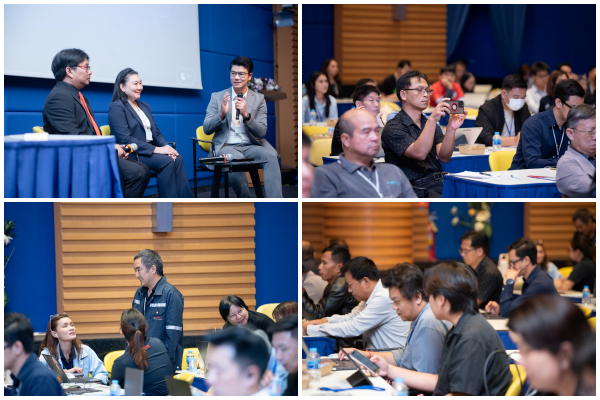
The initiative builds on NSTDA’s broader efforts to strengthen Thailand’s industrial capabilities through tools, technical expertise, and support mechanisms such as the Thailand i4.0 Index. By connecting technology, data, people, and business strategy, NSTDA continues to support manufacturers in moving confidently towards Industry 4.0 and more sustainable manufacturing systems.
The initiative reflects a clear commitment to promoting digital transformation that is practical, results-oriented, and responsive to the realities of the factory floor — enabling Thai industry to improve competitiveness in a rapidly changing global environment.
In addition to the lecture, Dr. Campbell also exchanged views with NSTDA researchers and related teams on research translation and the strategic management of innovation, further contributing to dialogue on how intellectual property can support emerging technologies and future collaboration.