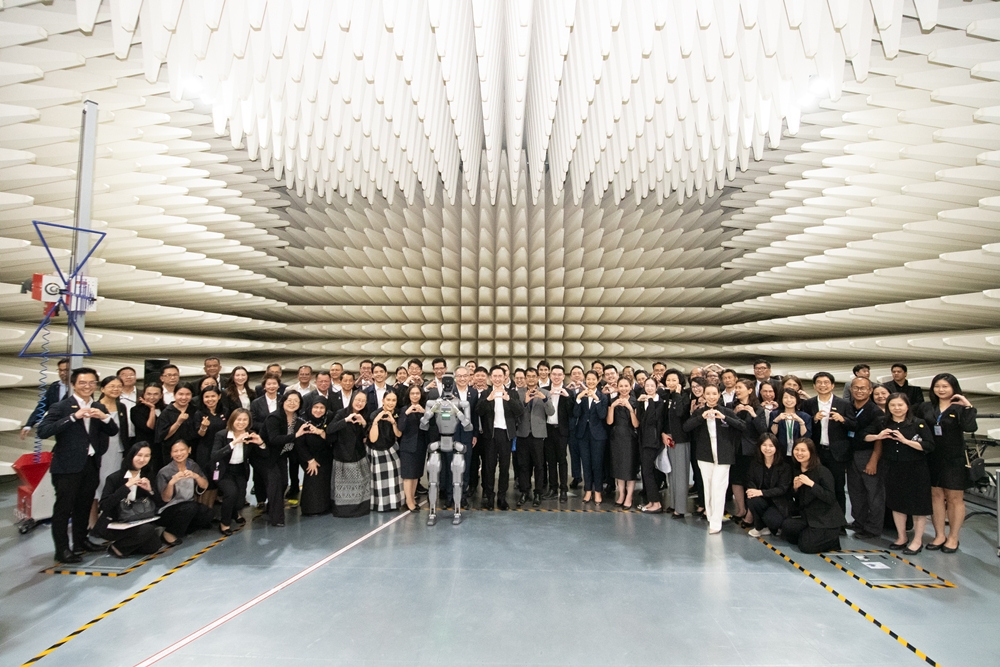
On 15 May 2026, the National Science and Technology Development Agency (NSTDA), located at Thailand Science Park, Pathum Thani, welcomed Professor Dr. Yodchanan Wongsawat, Deputy Prime Minister and Minister of Higher Education, Science, Research and Innovation (MHESI).
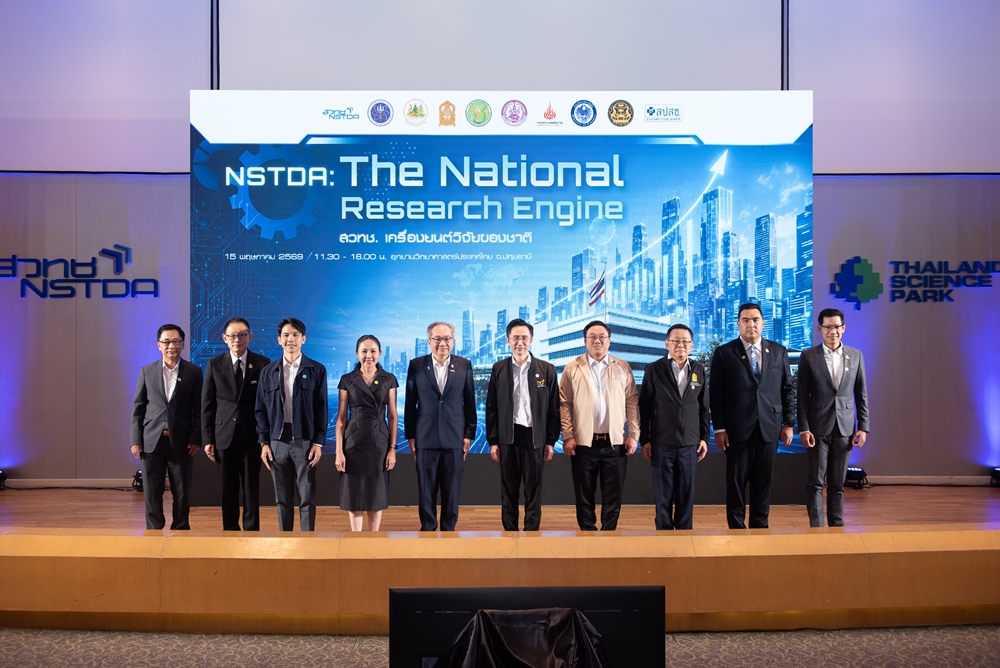
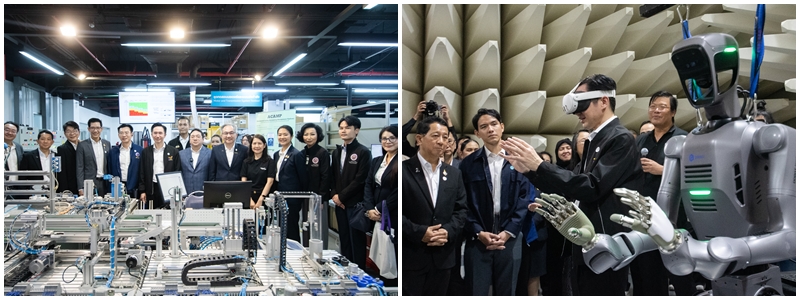
He was accompanied by cabinet members and senior representatives from six key ministries to review NSTDA’s research outputs, technology platforms, and national data capabilities. The visit aimed to support a unified government approach in which research infrastructure, ready‑to‑deploy technologies, and data systems serve as core instruments for policy implementation, enabling ministries to adopt practical, research‑based solutions to address sector‑specific challenges. Professor Dr. Sukit Limpijumnong, President of NSTDA, together with NSTDA executives, researchers, and staff, formally welcomed the delegation.
The visiting delegation included Prasert Jantararuangtong, Minister of Education; Julapun Amornvivat, Minister of Labour; Watcharaphon Khaokham, Deputy Minister of Agriculture and Cooperatives; Pongpol Yodmuangcharoen, Spokesperson for the Ministry of Energy; and Chanok Chanthathong, Assistant to the Minister of Social Development and Human Security. Senior representatives from the Ministry of Finance, Dr. Jadej Thammatacharee, Secretary-General of the National Health Security Office (NHSO), and Dr. Theerarat Samretvanich, Assistant Minister to the Deputy Prime Minister, also joined the visit.
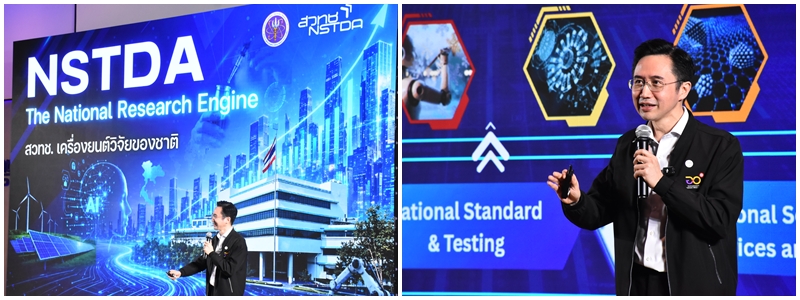
Professor Dr. Yodchanan delivered a keynote address highlighting NSTDA’s role as the national research engine. He emphasized the importance of research grounded in real‑world challenges and the development of innovations that deliver tangible economic and social impact. He further stressed the significance of technology platforms and scientific infrastructure in driving evidence‑based policymaking. The visit served as a “Sandbox of Implementation,” aimed at breaking down barriers between research agencies and real users by aligning research solutions with the specific needs of each ministry. Through direct exposure to NSTDA laboratories, technology platforms, and data center capabilities, the initiative seeks to strengthen cross‑ministry integration and foster a “Synergistic Government,” in which ministries work collaboratively with NSTDA as a core enabler of government missions.
During the visit, Prasert Jantararuangtong, Minister of Education, discussed the adoption of the LEAD Education platform as a tool for personalized learning analysis. This initiative aims to support precise assessment of student abilities and development needs, ultimately contributing to the creation of a skilled workforce aligned with the country’s future demands. Meanwhile, Watcharaphon Khaokham, Deputy Minister of Agriculture and Cooperatives, expressed strong interest in NSTDA’s agricultural innovations, including high‑yield rice varieties with enhanced resistance to diseases and pests, tailored fertilizer technologies, and environmentally friendly bioproducts—solutions that will help reduce long‑term production costs and promote sustainable livelihoods for farmers.
Dr. Jadej Thammatacharee, Secretary‑General of the NHSO, highlighted the application of domestically developed medical technologies such as M‑Bone, a bone substitute material, and AL‑Strip, a urine albumin test kit. Both are officially registered medical devices under the Thai Innovation List and are being integrated into the national health insurance system, enabling significant cost savings for the government and enhancing equitable access to high‑quality treatment for the public.
Professor Dr. Yodchanan also reiterated the government’s commitment to strengthening national capacities through research across multiple dimensions. The Ministry of Labour is advancing workforce development using 3D printing and advanced materials technologies to enhance the technical skills of personnel in emerging industries. This complements the social welfare initiatives of the Ministry of Social Development and Human Security, which has adopted the Nirun system for systematic elderly care center management and is preparing to launch Thailand’s Food Bank to support food security for vulnerable populations.
In addition, the Ministry of Energy is accelerating efforts to evaluate and certify used solar panels for reuse while promoting upskilling and reskilling in the clean energy sector. The Ministry of Finance, in collaboration with NSTDA and the Revenue Department, is deploying AI technologies to strengthen tax and financial management. The Ministry is also leveraging BOI mechanisms to provide tax incentives that encourage greater private‑sector investment in research and development—key measures to support the digital economy and long‑term economic resilience.
Concluding the visit, Professor Dr. Yodchanan emphasized that innovation must be practical, impactful, and capable of addressing real needs across society. He reaffirmed that research‑driven solutions will continue to play a vital role in supporting Thailand’s sustainable economic progress.