(January 16, 2026) – Ayutthaya Province: The National Science and Technology Development Agency (NSTDA), in collaboration with the Pollution Control Department Region 6 (PCD 6) and Phra Nakhon Si Ayutthaya Province, convened a stakeholder meeting to strengthen networks for surplus food management. The initiative aims to advance a systematic model for managing surplus food through the project “Redistributing Surplus Food for Social and Environmental Sustainability,” or the Food Bank model.
The project focuses on utilizing intermediary mechanisms to connect resources from food donors to vulnerable groups in need.

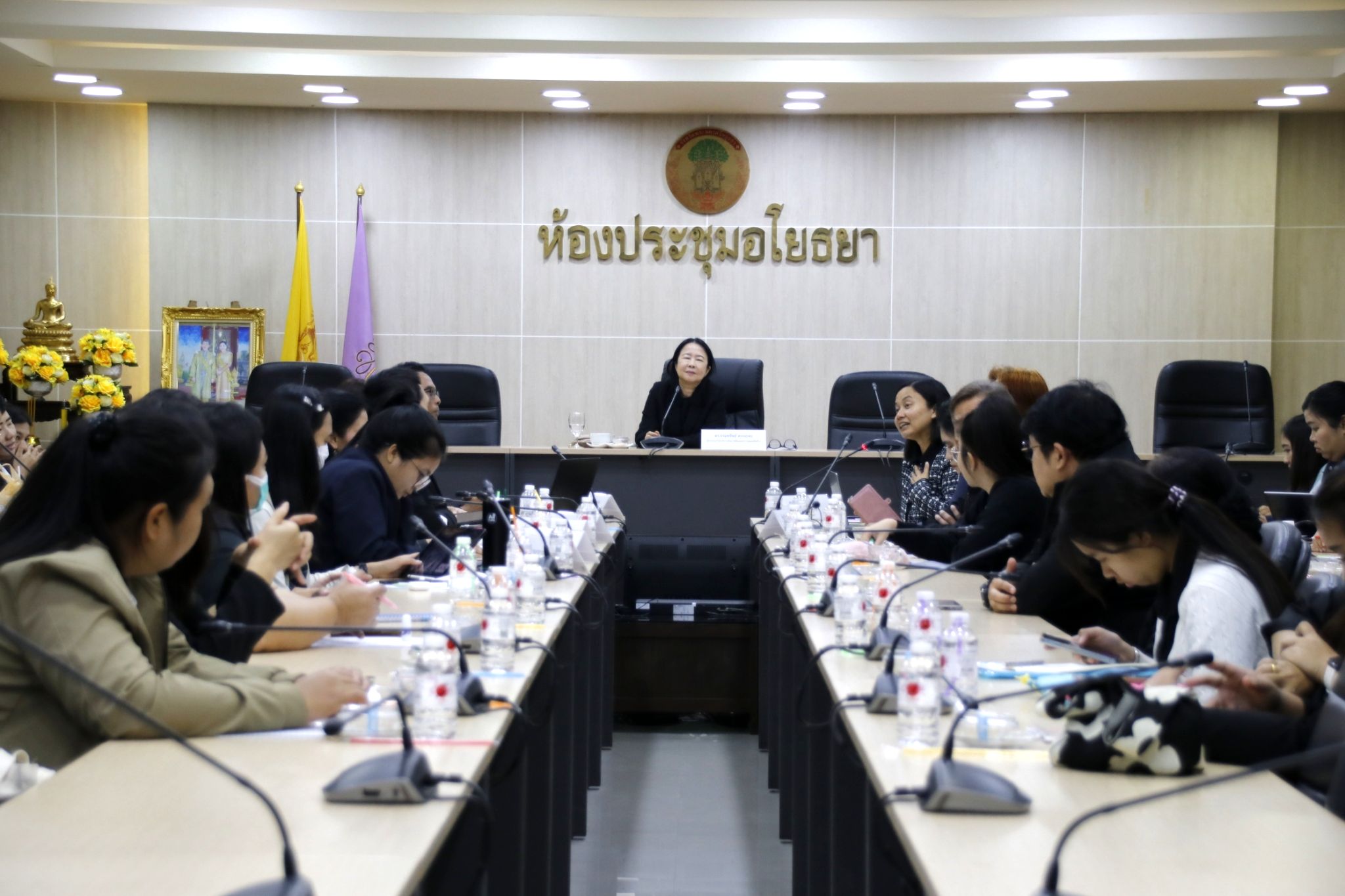
Dr. Ruamsub Kaneda, Director of the Pollution Control Department Region 6, together with Mr. Banpot Thongnak, Director of the Waste and Hazardous Substances Management Division, and Dr. Pattamaporn Prachumrat, Senior Policy Researcher and Head of the Food Bank Project at NSTDA, along with NSTDA and BIOTEC policy research teams, led the discussion at the Ayutthaya Provincial Hall.
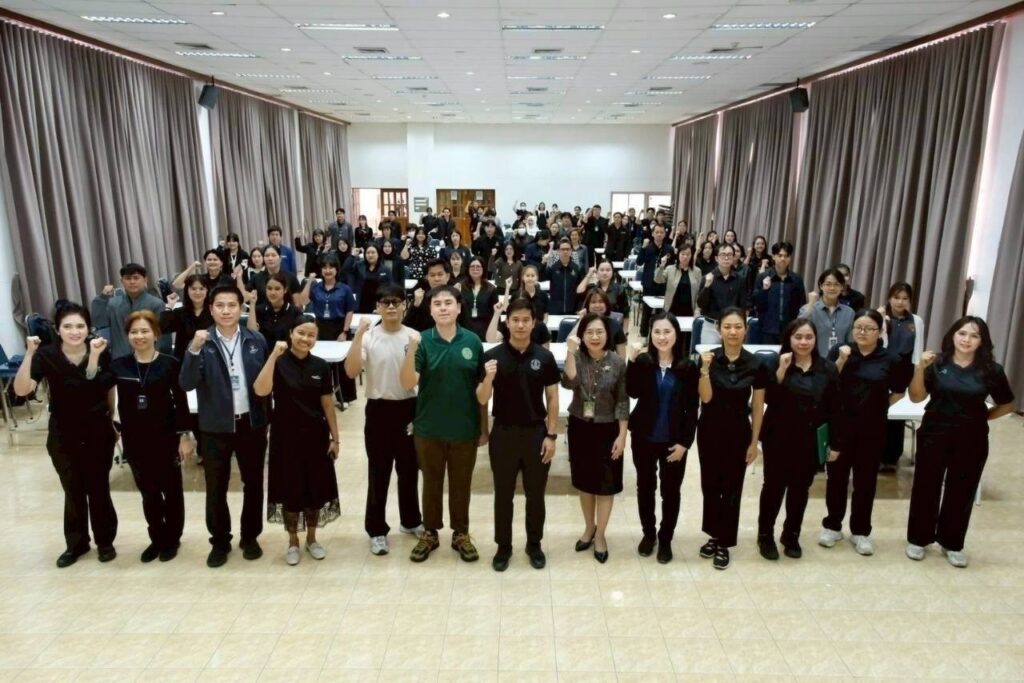
The meeting was attended by representatives from over 40 local administrative organizations and a total of 85 participants from relevant partner agencies. The session aimed to introduce operational guidelines under Thailand’s “Food Waste Management Action Plan Phase 1 (2023–2027).”

The Food Bank project, led by NSTDA, applies scientific knowledge and system-based management to address surplus food—food that remains safe and of good quality but is unsold. The project serves as a central mechanism for collecting food donations from producers and distributors and redistributing them through an efficient intermediary system to networks of recipients and vulnerable communities across Ayutthaya Province.

This initiative not only enhances food security but also serves as a comprehensive environmental solution. By shifting the perspective that surplus food is not waste but a valuable resource, the project helps reduce the volume of waste sent to disposal sites, lowers local waste management costs, and most importantly, reduces greenhouse gas emissions generated from food decomposition in landfills. These efforts are aligned with global commitments under the United Nations Framework Convention on Climate Change (UNFCCC).

NSTDA and its partners believe that this collaboration with local administrative organizations in Ayutthaya Province will serve as a key model for scaling up the Food Bank system nationwide. The goal is to create a sustainable balance between consumption, sharing, and environmental stewardship.

Phra Nakhon Si Ayutthaya is one of the provinces included in the project’s expansion plan, which aims to cover at least 30 provinces across all regions of Thailand by 2028.
Source: https://www.nstda.or.th/home/news_post/ayutthaya-foodbank-20260119/