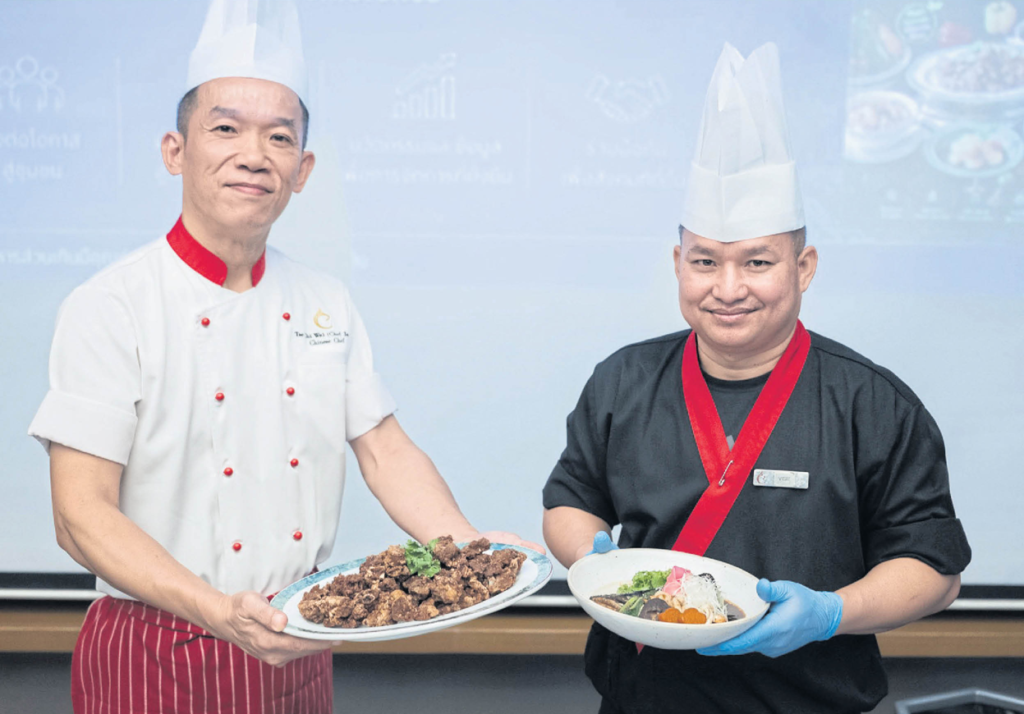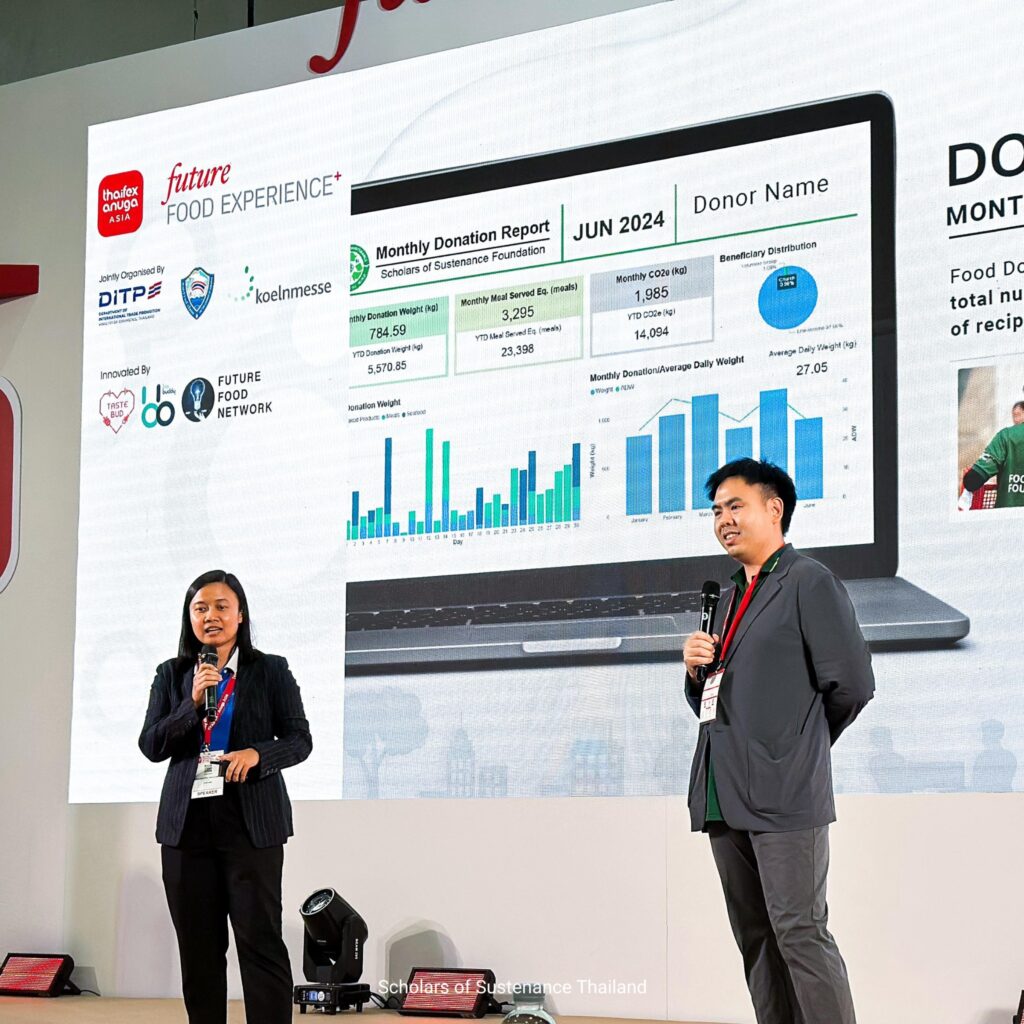
We rescue and collect surplus food that is still safe and suitable for consumption, and redistribute it to those in need within the community helping fill missing meals and nourish lives.
At the same time, we work to reduce food waste, promote efficient use of resources, and contribute to a more sustainable environment.
We rescue and collect surplus food that is still safe and suitable for consumption, and redistribute it to those in need within the community helping fill missing meals and nourish lives.
At the same time, we work to reduce food waste, promote efficient use of resources, and contribute to a more sustainable environment.
We rescue and collect surplus food that is still safe and suitable for consumption, and redistribute it to those in need within the community helping fill missing meals and nourish lives.
At the same time, we work to reduce food waste, promote efficient use of resources, and contribute to a more sustainable environment.
We rescue and collect surplus food that is still safe and suitable for consumption, and redistribute it to those in need within the community helping fill missing meals and nourish lives.
At the same time, we work to reduce food waste, promote efficient use of resources, and contribute to a more sustainable environment.
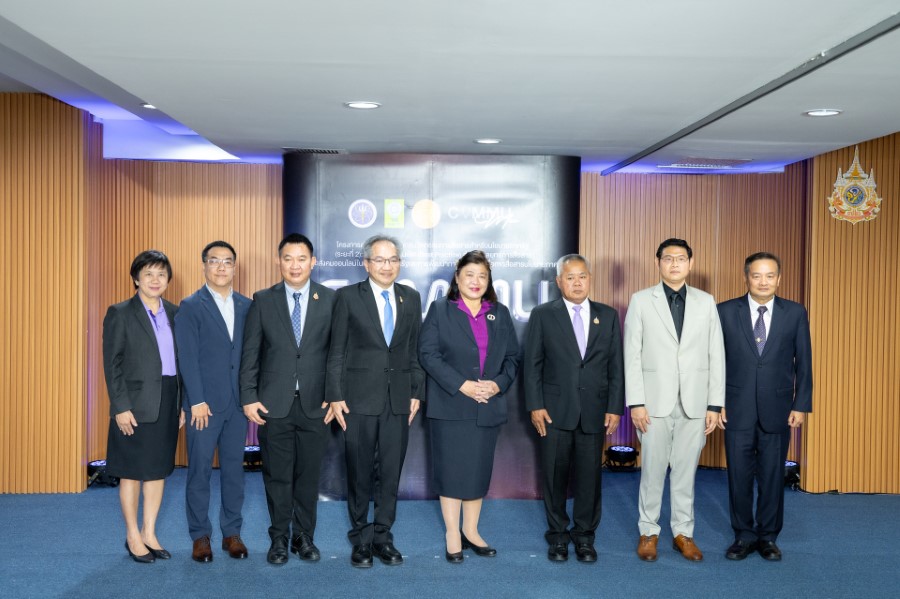
The National Science and Technology Development Agency (NSTDA), in collaboration with Scholars of Sustenance Foundation (SOS) and a network of partners across the public, private, and civil society sectors, has implemented this initiative to develop an efficient and safe system for managing surplus food at the national level.
The project involves field studies across diverse local contexts to understand operational mechanisms in different areas. These insights are used to strengthen a nationwide surplus food management system that addresses both food insecurity and food waste simultaneously.
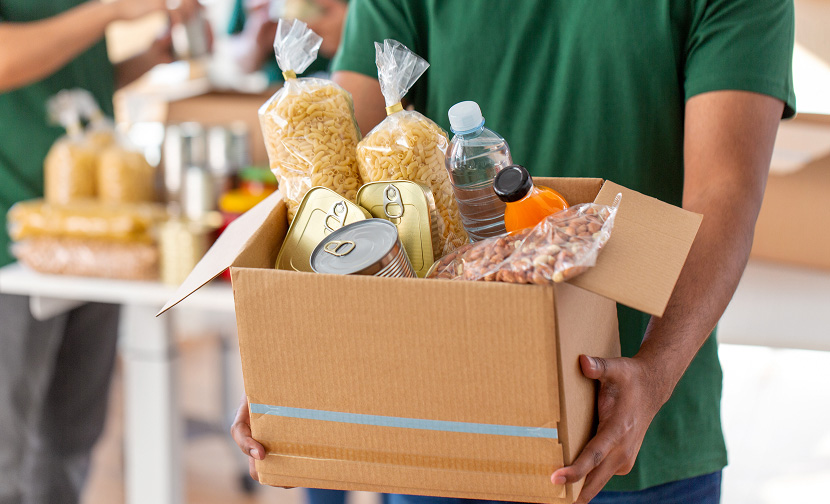
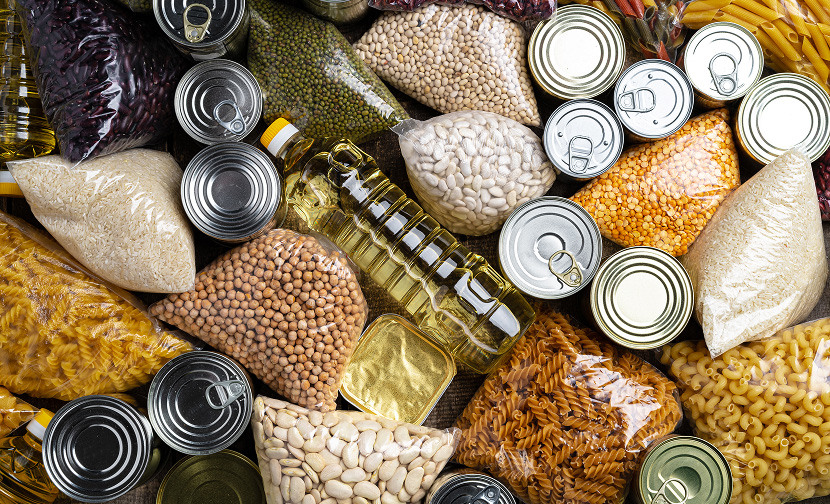
Surplus food refers to food that remains unsold or unconsumed but is still of good quality and safe for human consumption. If it is not properly managed within a limited timeframe, this surplus food will eventually become food waste.
Globally, there is increasing emphasis on managing surplus food to reduce food loss and waste, in alignment with the United Nations Sustainable Development Goals (SDGs), particularly Goal 12, which focuses on responsible consumption and production.
Food surplus occurs when the supply and availability of food exceed consumer demand. This phenomenon can take place at any stage of the food supply chain. It begins with the harvesting and sorting of agricultural and livestock produce, where items may not meet market cosmetic standards. It continues through manufacturing and processing errors, and transportation damages where food safety and quality remain uncompromised. Furthermore, it extends to retail unsold stock, as well as over-purchasing and incomplete consumption by consumers. All of these stages contribute to the generation of food surplus. Crucially, this surplus food remains completely safe and of high quality for human consumption.
The Sustainable Development Goals (SDGs) are a set of 17 global goals established by the United Nations (UN), addressing key issues such as hunger, food systems, and sustainability. Among these, food security is a critical global priority.
Countries around the world have developed policies and strategies to strengthen food security, particularly in response to ongoing global challenges such as pandemics, regional conflicts, and climate change. These factors have significantly intensified food insecurity across all regions of the world.
End hunger, achieve food security and improved nutrition, and promote sustainable agriculture.
Ensure sustainable consumption and production patterns.






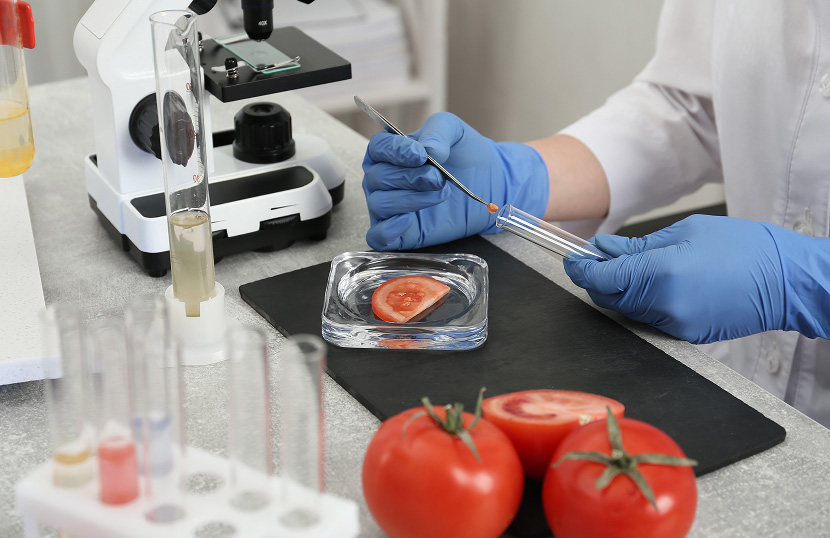


The National Science and Technology Development Agency (NSTDA) has applied knowledge in science, technology, and innovation (STI) to develop tools that enhance the efficiency and safety of the project’s operations.
Science, Technology, and Innovation Support Tools for Thailand’s Food Bank
The initiative promotes surplus food donation through supportive measures, including tax incentives and environmental measures such as greenhouse gas emission reduction. These measures are designed to encourage businesses to recognize the importance of reducing carbon emissions from their operations while addressing food waste challenges.

The Scholars of Sustenance Foundation (SOS) is a non-profit organization dedicated to food rescue. Its core mission is to collect surplus food that is still safe and suitable for consumption from various sources, including hotels, restaurants, supermarkets, and food producers, and redistribute it to vulnerable communities across the country.
SOS is also the first organization in Thailand to implement a professional cold chain logistics system for food redistribution, ensuring that food is delivered safely and efficiently to those in need. This enables continuous support for communities in diverse locations nationwide.
Every story you read here could be the beginning of a small inspiration—one that encourages you to make a change in your own life or to pass on hope to someone who needs it most.
Our activities are designed to strengthen communities by encouraging a culture of giving where no one is left behind, those in need receive nourishment, and together we build a more compassionate and fulfilled society through surplus food donation initiatives.