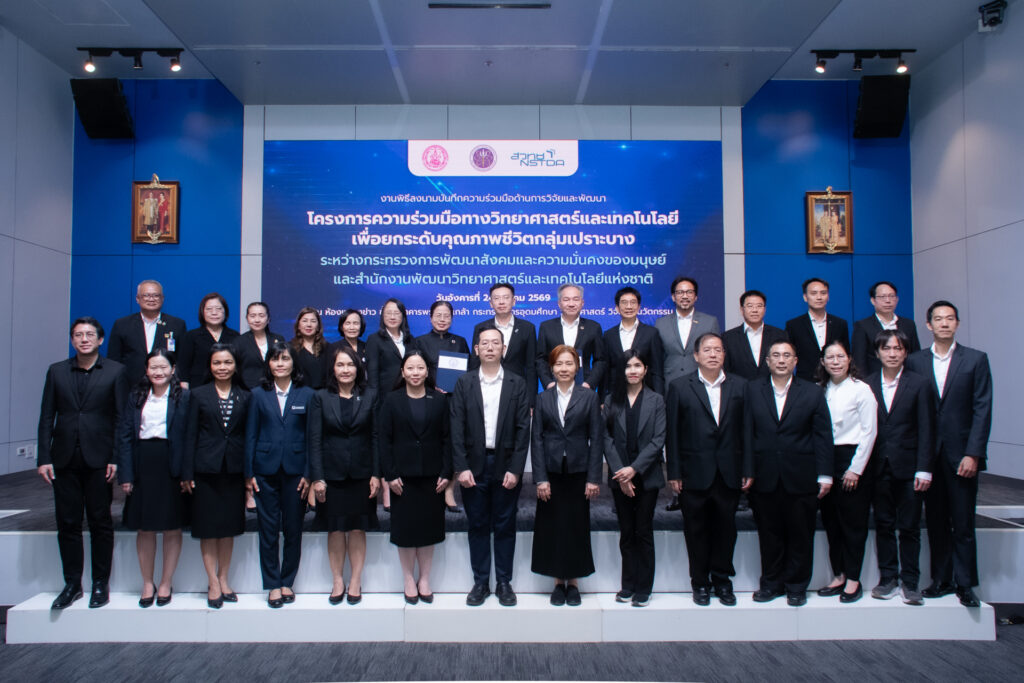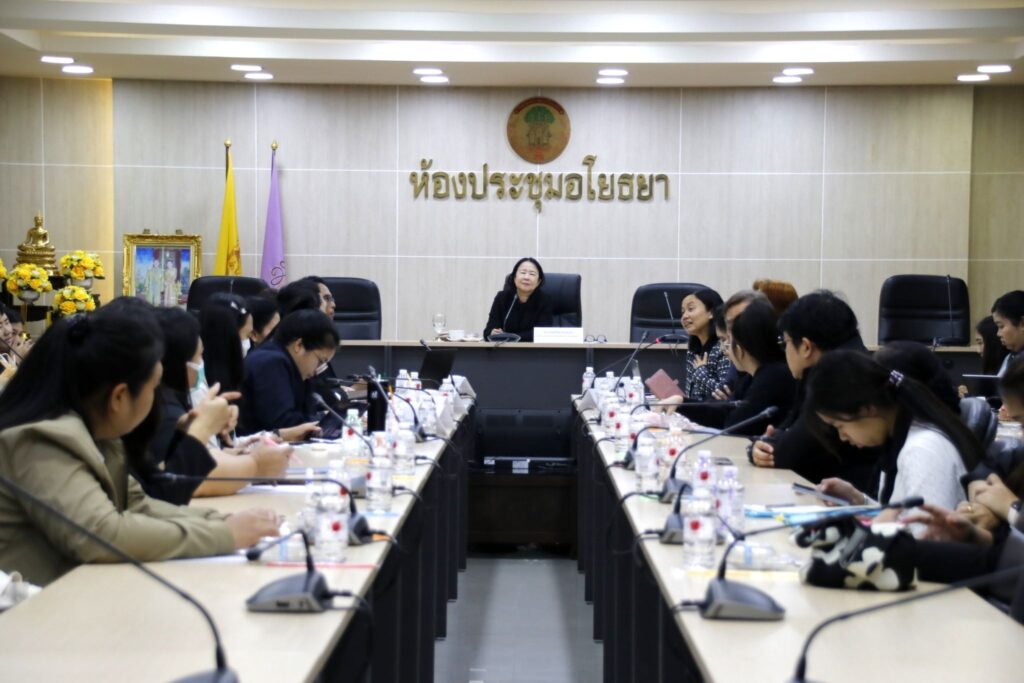
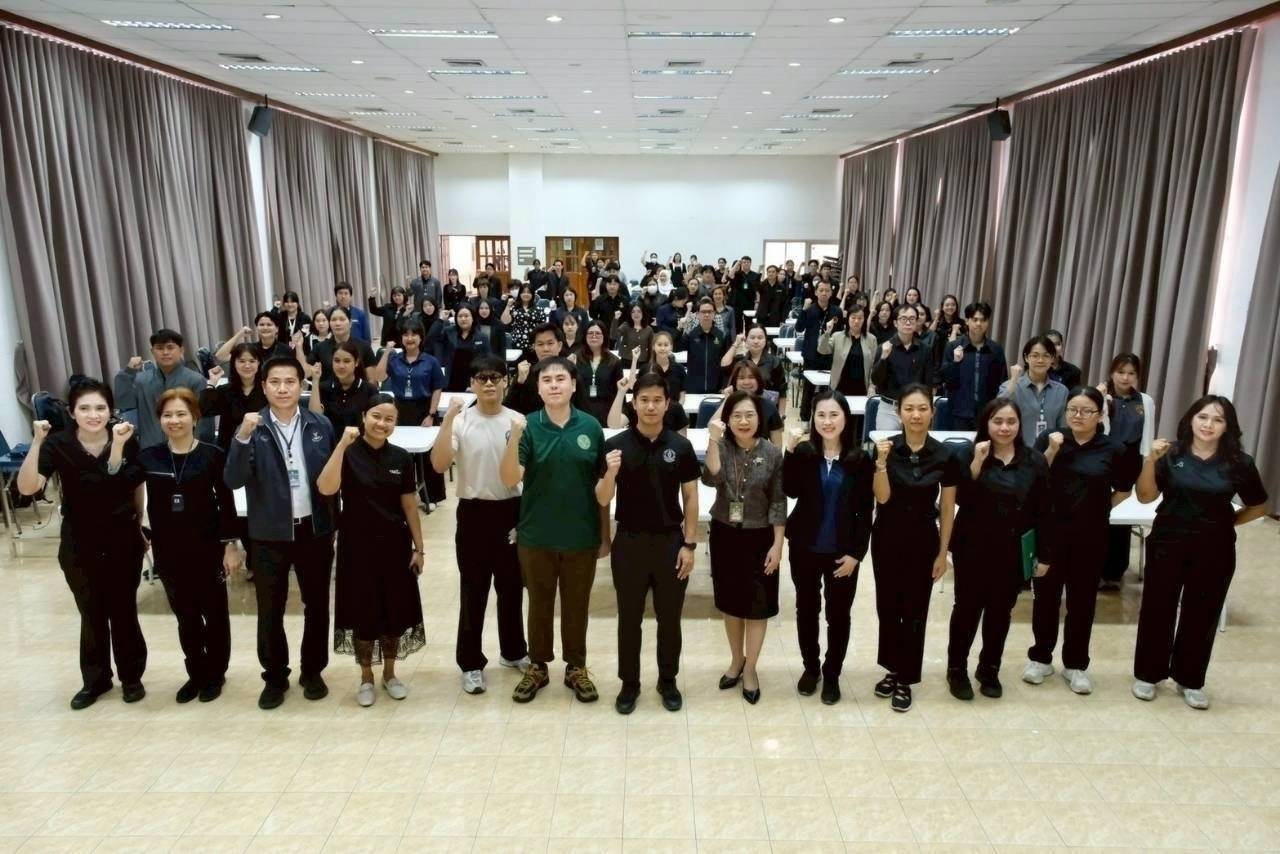
(March 10, 2026) – At the 5th Floor Conference Room, Bangkok Vocational Training School (Din Daeng 1): The Bangkok Metropolitan Administration (BMA), through its Social Development Department, in collaboration with the National Science and Technology Development Agency (NSTDA) and the Scholars of Sustenance Foundation (SOS), organized a hands-on training workshop under the project “BKK Food Bank: Delivering Surplus Food to Vulnerable Groups in Practice.”
The initiative aims to integrate knowledge in science, technology, and innovation into social welfare management, with a focus on enhancing the capacity of officials to manage surplus food efficiently and safely before it reaches vulnerable populations across Bangkok. The training was officially opened by Mr. Pornprom Vikitsreth, Advisor to the Governor of Bangkok, with participation from over 100 district officers representing all 50 districts.

During the morning session, Dr. Nipa Choksajjawatee, Senior Researcher from the Food Biotechnology Research Team at BIOTEC, presented guidelines on food quality and safety management. She emphasized that the core of surplus food redistribution is not only ensuring delivery but also maintaining strict hygiene standards. Technology plays a critical role in monitoring and controlling quality throughout the process—from sorting and packaging to transportation—minimizing contamination risks and preserving nutritional value from source to destination.
The BIOTEC research team also demonstrated the use of food spoilage screening kits for testing donated food samples and distributed 50 kits to BMA district officers for practical use in food collection and redistribution processes.

In the afternoon session, the training shifted to data management. Dr. Nantaporn Ratisunthorn from the Human Behavior Analytics Research Team at NECTEC led a practical session on the use of a digital platform for surplus food donation. The platform is designed to reduce redundancy and enhance transparency in resource distribution, enabling officials to record and track food donation and delivery in real time. This data accuracy serves as a critical foundation for policy decision-making and ensures efficient and equitable food distribution to target groups.
This collaboration between NSTDA and the Bangkok Metropolitan Administration goes beyond digital skill development. It represents the establishment of a strong digital infrastructure for Bangkok’s social welfare system. Led by Dr. Pattamaporn Prachomrat, Head of the Food Bank Project at NSTDA, and the research team, the initiative aims to institutionalize these innovations as long-term tools for social support.
Ultimately, this effort will help reduce environmental impacts from food waste management while strengthening food security for vulnerable populations in a concrete and sustainable manner.

ความร่วมมือระหว่าง สวทช. และกรุงเทพมหานคร ในครั้งนี้ ไม่ได้เป็นเพียงการฝึกอบรมเพื่อเพิ่มทักษะด้านดิจิทัลเพียงอย่างเดียว แต่เป็นการวางรากฐานโครงสร้างพื้นฐานด้านดิจิทัลที่เข้มแข็งให้แก่กรุงเทพมหานคร โดยมี ดร.ปัทมาพร ประชุมรัตน์ หัวหน้าโครงการ Food Bank สวทช. และคณะนักวิจัย ร่วมผลักดันให้นวัตกรรมเหล่านี้กลายเป็นเครื่องมือถาวรในการดูแลสวัสดิการสังคม ซึ่งจะช่วยลดผลกระทบด้านสิ่งแวดล้อมจากการจัดการขยะอาหาร และสร้างความมั่นคงทางอาหารให้แก่กลุ่มเปราะบางได้อย่างเป็นรูปธรรมและยั่งยืนสืบไป
Source: https://www.nstda.or.th/home/news_post/bkk-foodbank-20260311/