
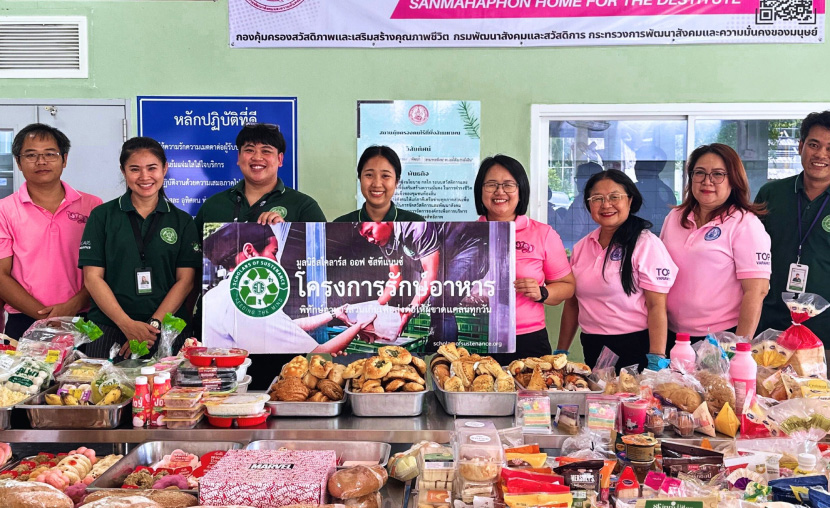
A Food Bank is a non-profit concept that collects and redistributes food to charitable organizations supporting vulnerable groups in society, such as the underprivileged, persons with disabilities, the homeless, people living in urban slums, orphans, and low-income communities. Its primary goal is to improve access to food and reduce food insecurity.
In addition, a food bank serves as both a food storage facility and a distribution center during times of national crisis, such as natural disasters or emergencies.
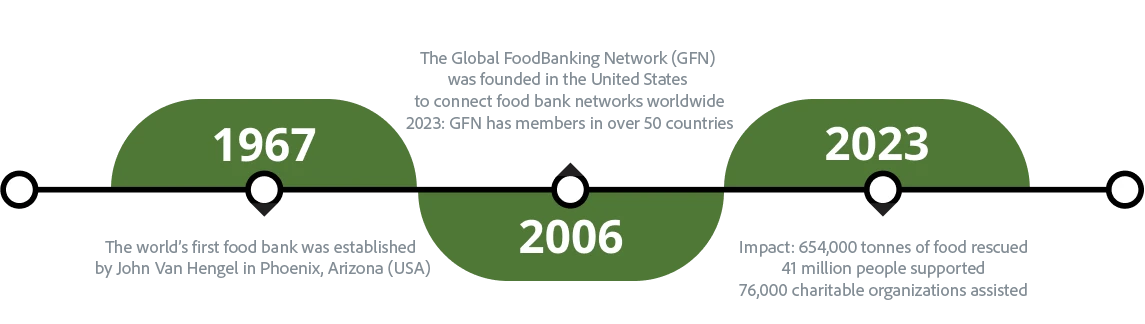
At present, Thailand does not yet have an officially established national food bank. However, the Global FoodBanking Network (GFN) has recognized the Scholars of Sustenance Foundation (SOS) as the first food bank in Thailand. GFN oversees and supports food banks across more than 50 countries worldwide.
Currently, relevant partner organizations are working toward establishing a national food bank system Thailand’s Food Bank to enable efficient redistribution of surplus food across different regions of the country.




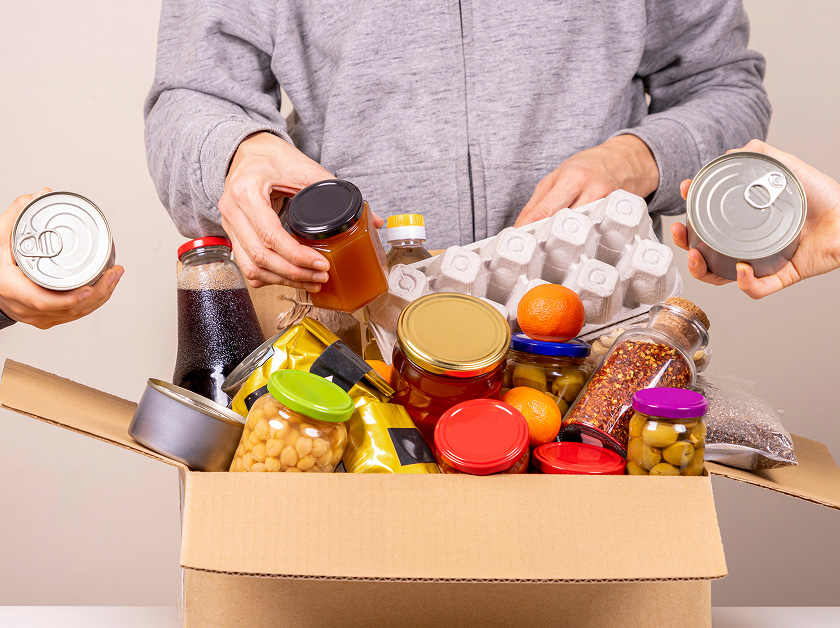
Donors are individuals or organizations that have surplus food which is still of good quality and safe for consumption. These may include the general public, food manufacturers, distributors, restaurants, hotels, department stores, and convenience stores.
Those who wish to donate surplus food can coordinate with intermediaries, who will arrange for food collection and delivery to recipients in need.
Intermediaries are responsible for collecting food from donors and delivering it to recipients through an efficient, timely, and safe process. This role may be carried out by foundation staff, volunteer organizations, individual volunteers, or public sector volunteers such as community health volunteers or social development volunteers.
In some cases, government officials and personnel from welfare institutions or local administrative organizations also serve as intermediaries, supporting the coordination and distribution of food within communities.
Recipients are individuals or communities in need of food across different regions of the country. Food is distributed through a network of local coordinators who work closely with intermediaries.
This network may include community leaders, local volunteers, and government officers (such as provincial social development offices). In many areas, intermediaries also act as community coordinators, enabling efficient communication and timely food distribution.
All parties involved in the collection and redistribution process are required to comply with established food safety guidelines for food donation. Participants must undergo training and receive proper guidance to ensure that all operations are carried out safely and in accordance with best practices.


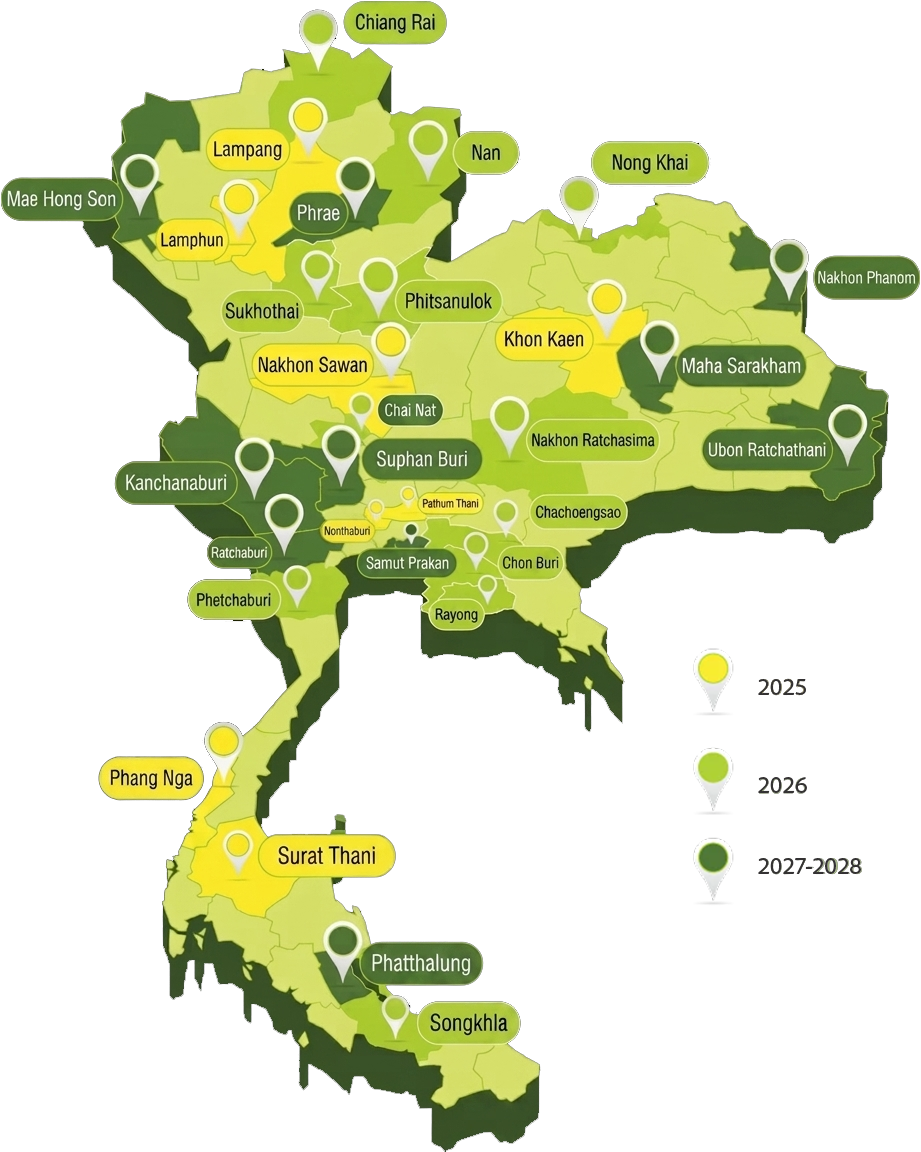
The expansion of surplus food management efforts is a key step toward establishing Thailand’s Food Bank. Currently, a network of partners—including the National Science and Technology Development Agency (NSTDA), the Scholars of Sustenance Foundation (SOS), the Thai Chamber of Commerce, food industry operators, government agencies, and civil society organizations—has been actively scaling up project implementation across multiple areas.
As of 2025, the initiative has expanded to six additional provinces, building upon the four original operational areas of SOS. The newly expanded provinces include Pathum Thani, Nonthaburi, Lampang, Lamphun, Phang Nga, and Surat Thani.
Looking ahead, the project aims to expand to eight provinces in 2025, twelve provinces in 2026, and reach at least 30 provinces across all regions of Thailand by 2028.
The successful expansion of this initiative and the establishment of a national food bank system require collaboration from all sectors. Everyone can play a role and contribute to the project. Once established, Thailand’s Food Bank will help reduce the risk of food insecurity among vulnerable populations and low-income groups, while also significantly reducing food waste and its environmental impact.