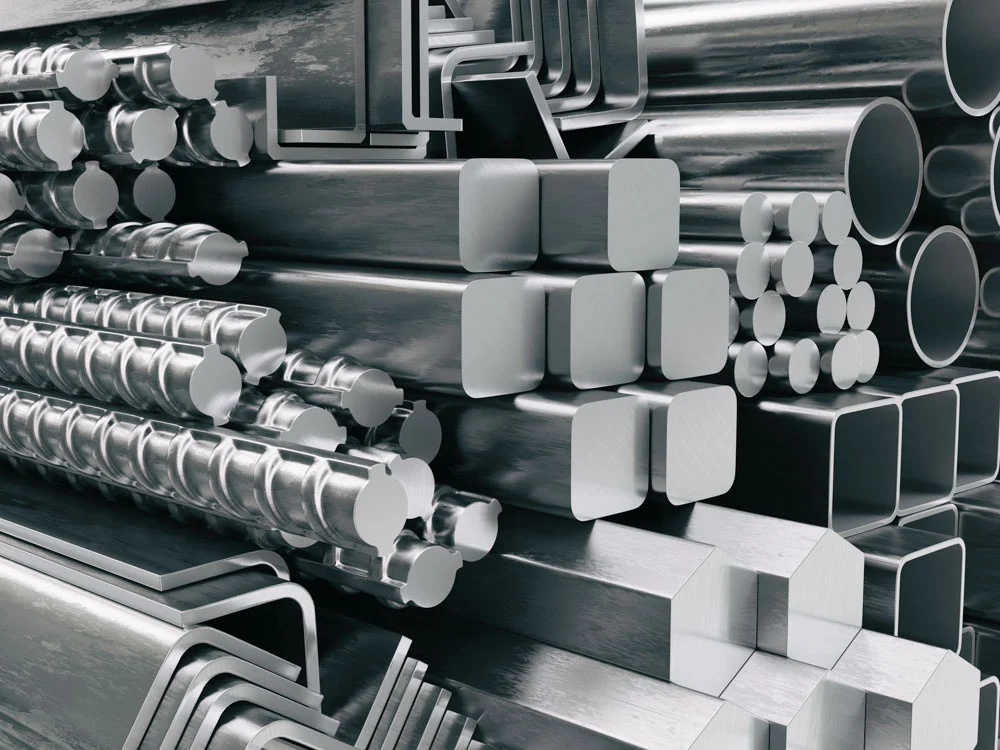
In the past decade, the climate crisis has compelled a radical structural reformation across global industries. The steel industry, often regarded as the backbone of the global economy, is facing a profound challenge as one of the world’s highest-emitting sectors, accounting for almost 10% of total global greenhouse gas emissions. The collective pursuit of Net Zero Emissions targets has given rise to the strategic paradigm of “Green Steel” a pivotal shift that integrates technological innovation with long-term sustainability. However, the importance of this transition extends beyond environmental mandates; it is now a matter of “Economic Security.” New global trade frameworks, such as the European Union’s Carbon Border Adjustment Mechanism (CBAM) and similar carbon-pricing initiatives in the United States and Japan, have established new rules of engagement. For exporting nations, upgrading production processes is no longer optional; failure to align with these low-carbon standards will result in an immediate loss of international competitiveness.
The core of this transition lies in shifting away from Traditional Integrated Steelmaking (BF-BOF), which utilizes blast furnace and basic oxygen furnace. This conventional process relies heavily on coking coal for iron ore reduction, a method that releases vast quantities of CO2. In contrast, Green Steel represents a holistic integration of diverse clean technologies designed to minimize environmental impact.
For Thailand, the industry holds a unique strategic advantage. The domestic sector is primarily composed of mid-stream and down-stream facilities that already utilize Electric Arc Furnace (EAF) technology. This process inherently emits approximately 75% less carbon than traditional integrated smelting due to its reliance on scrap metal. However, within the context of Thailand’s Green Steel roadmap, the most critical structural challenge remains the “Energy Technology Transition”. Specifically, the industry must pivot its power source from fossil-fuel-based electricity to “Renewable Energy” to achieve a carbon footprint that meets international standards. Successfully navigating this energy shift will be the key to securing Thailand’s position and resilience within the global green industrial supply chain.
Green Steel เป็นการยกระดับอุตสาหกรรมเหล็กสู่กระบวนการผลิตคาร์บอนต่ำที่สอดคล้องกับมาตรการการค้าและมาตรฐานสิ่งแวดล้อมสากล อันเป็นปัจจัยสำคัญต่อความสามารถในการแข่งขันของประเทศในบริบทเศรษฐกิจโลกยุคคาร์บอนต่ำ การเปลี่ยนผ่านดังกล่าวครอบคลุมทั้งเทคโนโลยีการผลิต ระบบพลังงานหมุนเวียน กลไกคาร์บอนเครดิต และนโยบายสนับสนุนเชิงโครงสร้าง
การสัมมนานี้นำเสนอทั้งมุมมองระดับนานาชาติและบริบทของประเทศไทยอย่างบูรณาการ โดยช่วงแรกเป็นการบรรยายทางวิชาการ (ภาษาอังกฤษ) ครอบคลุมเส้นทางเทคโนโลยีการผลิต Green Steel แนวทางการขับเคลื่อนจากระดับนโยบายสู่การปฏิบัติของประเทศญี่ปุ่น ทิศทาง Net-zero สำหรับอุตสาหกรรมเหล็กอาเซียน และบทบาทของกลไกคาร์บอนเครดิตในการสนับสนุนการลดการปล่อยก๊าซเรือนกระจก
ช่วงที่สองเป็นการเสวนา (ภาษาไทย) ที่เชื่อมโยงประเด็นดังกล่าวสู่บริบทประเทศไทย โดยผู้แทนจากหน่วยงานภาครัฐ ภาคอุตสาหกรรม และภาคเอกชน ร่วมแลกเปลี่ยนมุมมองด้านนโยบาย เทคโนโลยี พลังงาน และความสามารถในการแข่งขัน เพื่อกำหนดแนวทางการเปลี่ยนผ่านเชิงยุทธศาสตร์ของอุตสาหกรรมเหล็กไทยในระยะต่อไปการจัดงานครั้งนี้มีเป้าหมายเพื่อสร้างความเข้าใจร่วม กำหนดแนวทางการเปลี่ยนผ่านเชิงยุทธศาสตร์ และเสริมสร้างความร่วมมือในการขับเคลื่อนอุตสาหกรรมเหล็กไทยสู่ห่วงโซ่อุปทานสีเขียวระดับโลก
กำหนดการ
Session#1: Technical Presentation (English Session) Global Aspects of Green Steel Production
| 13:00 – 13:25 |
Technological Pathways of Green Steel Production
- Assoc. Prof. Dr. -Ing. Pruet Kowitwarangkul
TGGS, KMUTNB, Thailand
|
| 13:25 – 13:50 |
Green Steel Production in Japan (from policy to real-world implementation)
- Mr. Manabu Nabeshima
Director, Metal Industries Division, Manufacturing Industries Bureau, Ministry of Economy, Trade and Industry (METI), Japan
|
| 13:50 – 14:15 |
Net-zero Roadmap for the ASEAN Steel Industry
- Mr.Somsak Pikkanesuan
Chairman of Environmental & Safety Committee
The South East Asia Iron and Steel Institute (SEAISI)
|
| 14:15 – 14:40 |
Carbon Credit in Steel Industry
- Mr.Chandra Mohan Verma
Vice President Global Partnerships, Meranti Green Steel (Thailand) Co., Ltd.
Master of Ceremony (MC):
- Dr.Wassamon Phusakulkajorn
Researcher, National Metal and Materials Technology Center (MTEC)
|
| 14:40 – 15:00 |
Break |
Session#2: Panel Discussion (Thai Session) Green Steel Pathways under Thailand’s Context
| 15:00 – 16:15 |
เสวนาภายใต้หัวข้อ Green Steel Pathways under Thailand’s Context
โดย
- คุณพธู ทองจุล
ผู้อำนวยการกองนโยบายอุตสาหกรรมรายสาขา 1 สำนักงานเศรษฐกิจอุตสาหกรรม
Ms.Phatthoo Thongjun
Director of the Sectoral Industrial Policy Division 1, Office of Industrial Economics (OIE)
- คุณวิโรจน์ โรจน์วัฒนชัย
ผู้อำนวยการ สถาบันเหล็กและเหล็กกล้าแห่งประเทศไทย
Mr.Wirote Rotwatanachai
Director, Iron and Steel Institute of Thailand (ISIT)
- คุณเดชาคม บุญมา
รองประธานกลุ่มอุตสาหกรรมเหล็ก สภาอุตสาหกรรมแห่งประเทศไทย
Mr. Dechakom Boonma
Vice Chairman of the Iron and Steel Industry Club, The Federation of Thai Industries (FTI)]
- คุณสุพจน์ สุขพิศาล
ประธานกลุ่มอุตสาหกรรมชิ้นส่วนและอะไหล่ยานยนต์ สภาอุตสาหกรรมแห่งประเทศไทย
และรองเลขาธิการ สมาคมผู้ผลิตชิ้นส่วนยานยนต์ไทย
Mr.Suphot Sukphisarn
Chairman, Auto Parts Industry Club, FTI
Deputy Secretary General, Thai Auto-Parts Manufacturers Association (TAPMA)
- คุณสมศักดิ์ พิฆเนศวร
ผู้ช่วยกรรมการผู้จัดการใหญ่
บริษัท สหวิริยาสตีลอินดัสตรี จำกัด (มหาชน)
Mr. Somsak Pikkanesuan
Vice President (VP), Sahaviriya Steel Industries Public Company Limited (SSI)]
ดำเนินรายการโดย:
- ดร.เอกรัตน์ ไวยนิตย์
รองผู้อำนวยการ ศูนย์เทคโนโลยีโลหะและวัสดุแห่งชาติ
Moderator:
- Dr.Ekkarut Viyanit
Deputy Executive Director Research and Development Design and Manufacturing for Materials Technology, MTEC
|
| 16:15 – 16:30 |
Q&A and Closing Remarks |