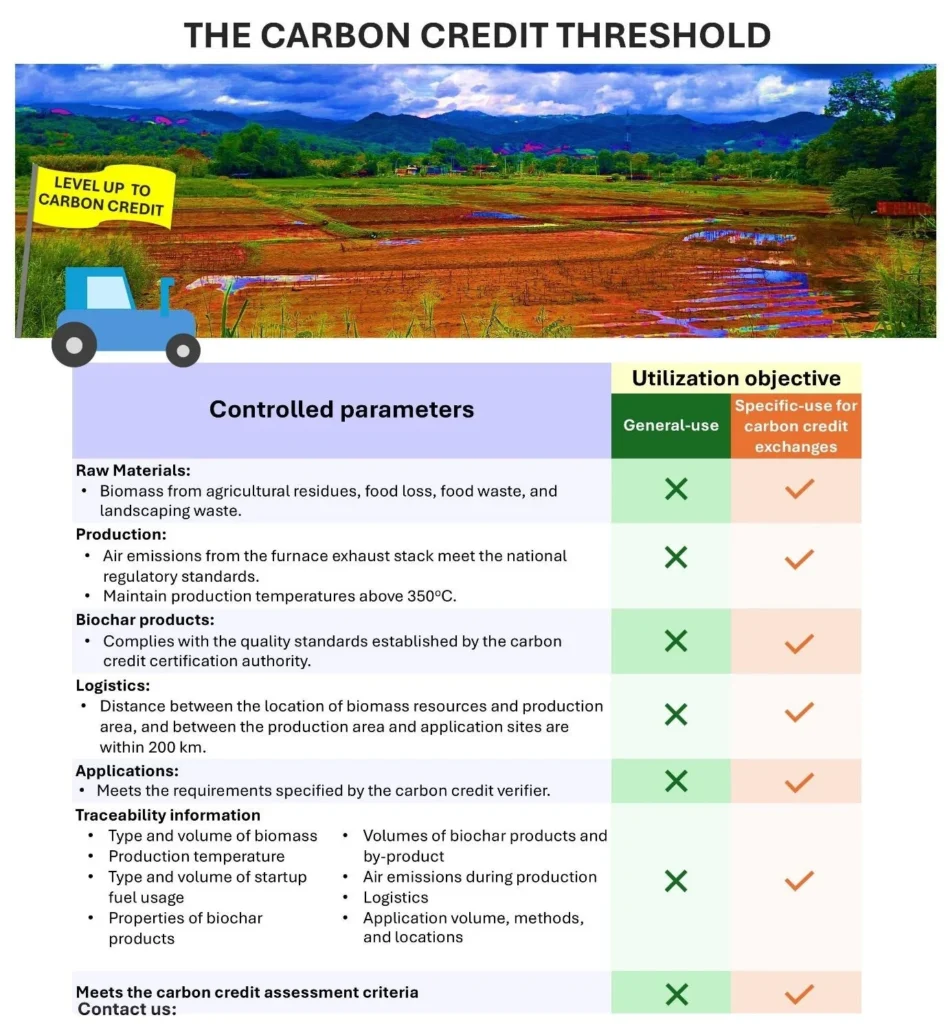

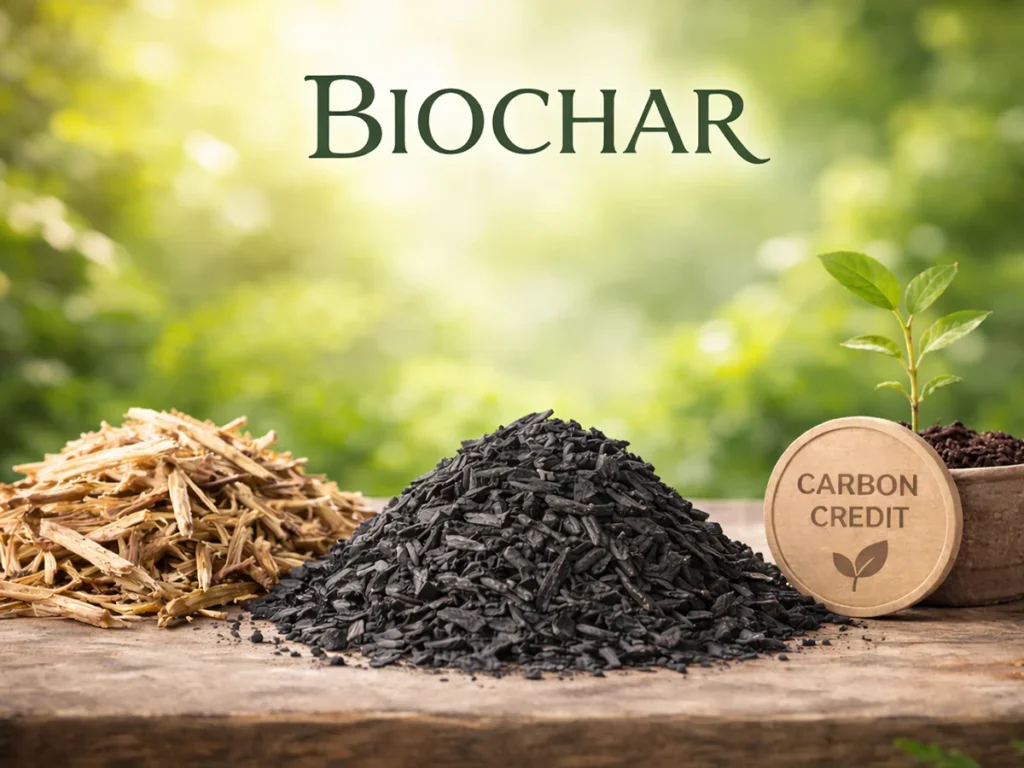
Clarifying the biomass resources, production conditions, applications, and logistical requirements that distinguish standard biochar from biochar eligible for carbon credit markets.
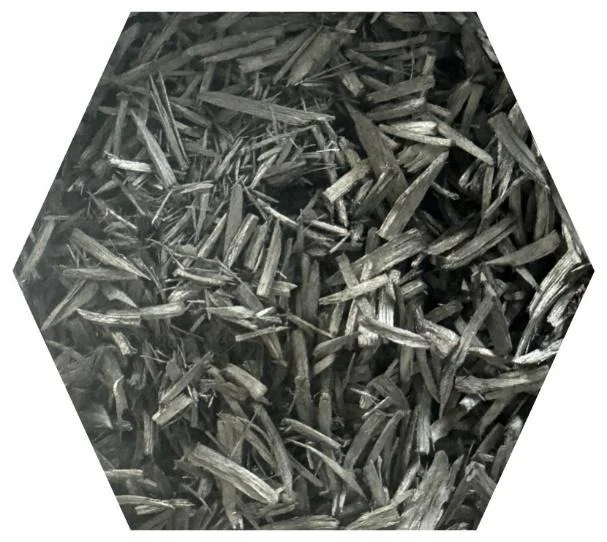
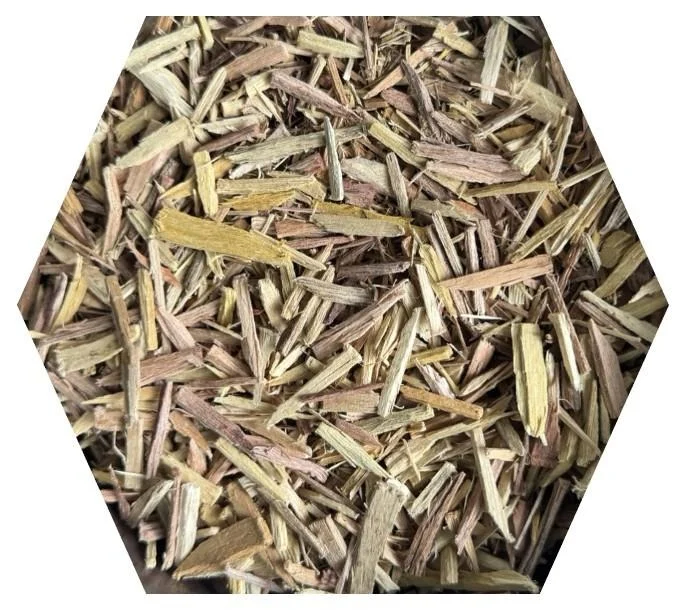
What is biochar ?
Material Science Perspective:
Biochar is a porous, carbonaceous material that is produced by pyrolysis (a process whereby organic substances are broken down at temperatures above 350°C in a low-oxygen process) of biomass and is applied in such a way that the contained carbon remains stored as a long-term C sink or replaces fossil carbon in industrial manufacturing. It is not made to be burnt for energy generation.
Source: EBC (2012-2025) ‘European Biochar Certificate – Guidelines for a Sustainable Production of Biochar.’ Carbon Standards International (CSI), Frick, Switzerland. (http://carbon-standards.com/ebc). Version 10.5E from 14th August 2025
Net Zero Emissions Perspective:
Biochar is an excellent carbon sequestration tool because when organic biomass is transferred into biochar, the carbon dioxide originally absorbed from the atmosphere by plants or trees through photosynthesis is converted into a stable and solid form, allowing it to be stored in soils for hundreds to thousands of years. This is considered a carbon dioxide removal (CDR) strategy, helping countries and industries move toward net zero emissions.
Development of Biochar Infrastructure for Greenhouse Gases Reduction
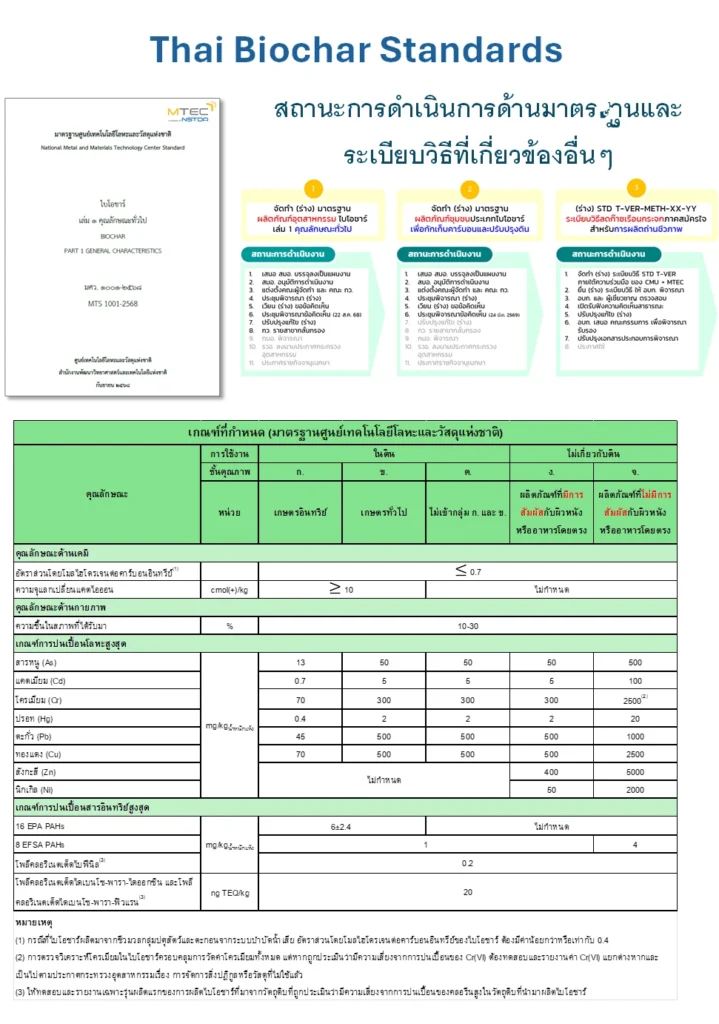
1. Establishing standards & credibility
- Thai biochar standards
- Methodology for Thailand
- Voluntary Emission Reduction (T-VER) Program
- Asian/International carbon credit certification standards
2. Developing technology & platforms
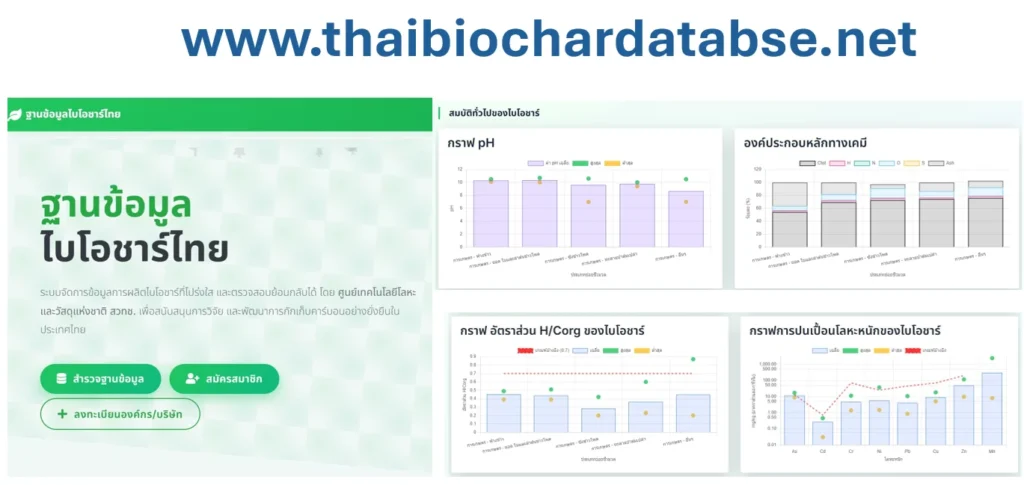
- Thai biochar database
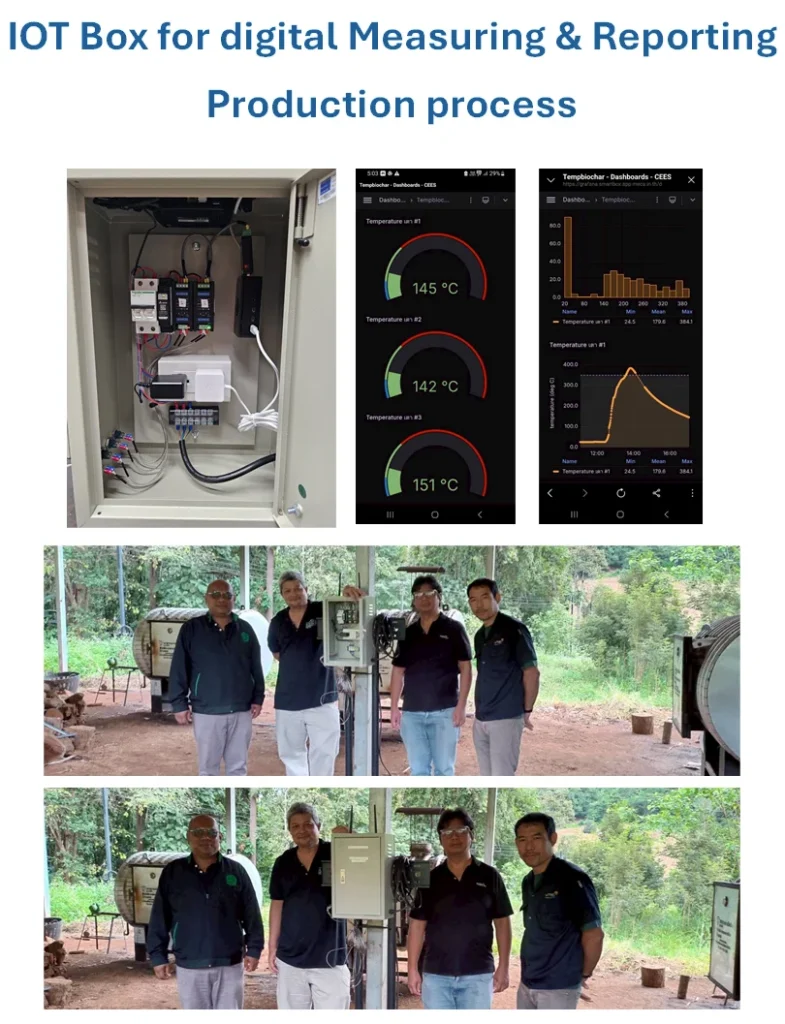
- Measuring-Reporting-Verifying platform
- Standardized production
- Biochar map platform
3. Pilot project & Scaling-up
- T-VER Registration
- GHG reduction pilot project
- Commercial production
- Scaling-up via networking organizations